Not a class.
Built for one person.
Group routines follow the average. This service follows you — your posture, your history, your pace. Every session is structured around a single body and a single goal.
What signals that this is serious work
Gymnastics for health sits at the edge of movement science and rehabilitation. The practitioners who do it well carry credentials from physical education, therapeutic exercise, or sport physiology — not just fitness instruction.
Accessventuregrid specialists hold verified qualifications in therapeutic movement and have logged supervised practice hours across clinical and community settings. That background matters when the person in front of you has a herniated disc, not just tight hamstrings.
Three people, three different starting points
Each situation below came with a specific constraint — not a vague desire to "get healthier." The outcomes are real, though the timelines varied and required consistent effort.
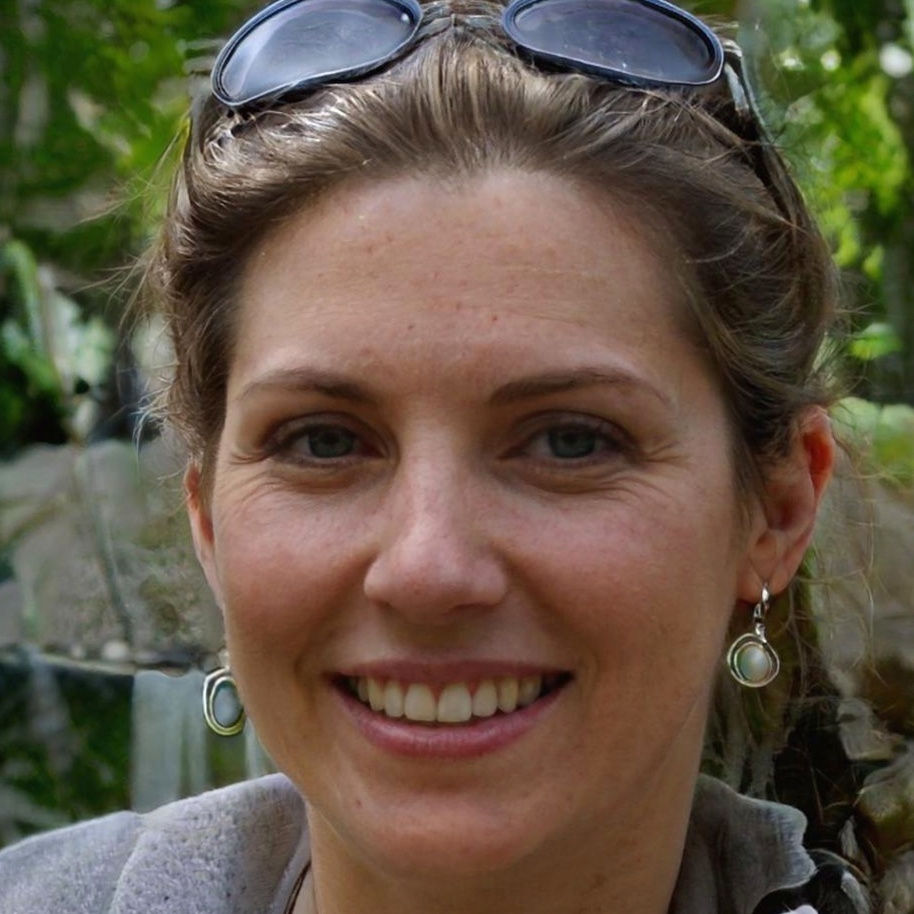
Brigitte had been managing lower-back tension for three years before she reached out. Her physiotherapist had cleared her for movement but gave no structured plan. Over fourteen weeks of individual sessions, she rebuilt core stability around her specific lumbar curve — not a generic programme.
Sustained daily comfort restoredOskar spent six hours a day standing in a classroom and had developed chronic neck stiffness by his mid-forties. His schedule made gym attendance impossible. Remote sessions twice a week, built around a 20-minute window before school, gave him a routine he could actually keep.
Neck mobility measurably improved at 8 weeksNneka returned to movement after a six-month recovery from a knee procedure. Her surgeon had signed off, but she was nervous about loading the joint incorrectly on her own. Sessions were built around her recovery stage, with load progression tracked week by week.
Full return to shift work without pain recurrence
The situations people arrive with
This service was not designed for people who want to get fit in a general sense. It was designed for people who have a specific constraint — a body that has history, a schedule that has no slack, or a problem that generic content has not solved.
Most clients arrive after something else did not work. That is a reasonable starting point.
- 1 Recovering from an injury or procedure where the medical team has cleared movement but provided no structured plan forward.
- 2 Living with a chronic postural issue — scoliosis, hyperlordosis, forward head posture — that standard fitness classes make worse.
- 3 Working irregular or demanding hours and needing a programme that fits a real schedule, not an ideal one.
- 4 Located in a region where qualified therapeutic movement specialists are not available locally — remote access resolves this directly.
Generic movement advice assumes a body that does not exist
Most exercise content is built for a statistical average. It assumes symmetrical posture, no injury history, adequate baseline strength, and a stable schedule. Very few real people match that profile — and the ones who need structured movement most tend to match it least.
The result is that people follow programmes that were not built for them, experience discomfort or stagnation, and conclude that movement simply does not work for their body. That conclusion is almost always wrong. The programme was wrong, not the body.
Most routines load both sides equally. Bodies with structural asymmetry — common after injury or prolonged postural habits — need load distributed differently.
Group classes repeat the same session. Individual work adjusts load, range, and complexity based on what the previous session revealed.
A session designed without knowing someone's occupation, sleep quality, or pain history is guessing. Individual work starts with a full intake before any movement begins.
What an actual programme looked like
Tomasz Brzęczkowski contacted Accessventuregrid in early autumn. He was 51, worked as a long-haul truck driver operating routes across Ontario and Manitoba, and had been dealing with thoracic stiffness and hip flexor tightness for roughly two years. He had tried two different YouTube programmes and a physiotherapy course that ended after six sessions when his benefits ran out.
The intake process took one full session — no movement, just structured conversation about his driving schedule, cab ergonomics, sleep position, and where exactly the stiffness concentrated after a long run. The programme that came out of that session was designed around 18-minute windows, required no equipment he did not already carry, and was adjusted every three weeks based on what he reported.
After eleven weeks, Tomasz described the change as being able to get out of the cab without the first five minutes feeling like damage control. That is a specific, honest outcome — not a transformation, but a meaningful daily difference.